
3 Times Fitness Technology Helped Me Break Through Plateaus
Fitness technology has revolutionized the way we approach our health and exercise routines. This article explores how cutting-edge gadgets and techniques can help overcome common workout plateaus. Drawing on insights from industry experts, we'll delve into the game-changing impacts of smartwatch zones, real-time cadence feedback, and red light treatment on fitness progress.
- Smartwatch Zones Improve Running Performance
- Real-Time Cadence Feedback Breaks Plateau
- Red Light Treatment Targets Stubborn Fat
Smartwatch Zones Improve Running Performance
I hit a frustrating plateau with my running pace. No matter how consistently I trained, I couldn't seem to break through a certain time barrier. My motivation began to erode, leading me to question if I had simply reached my limit.
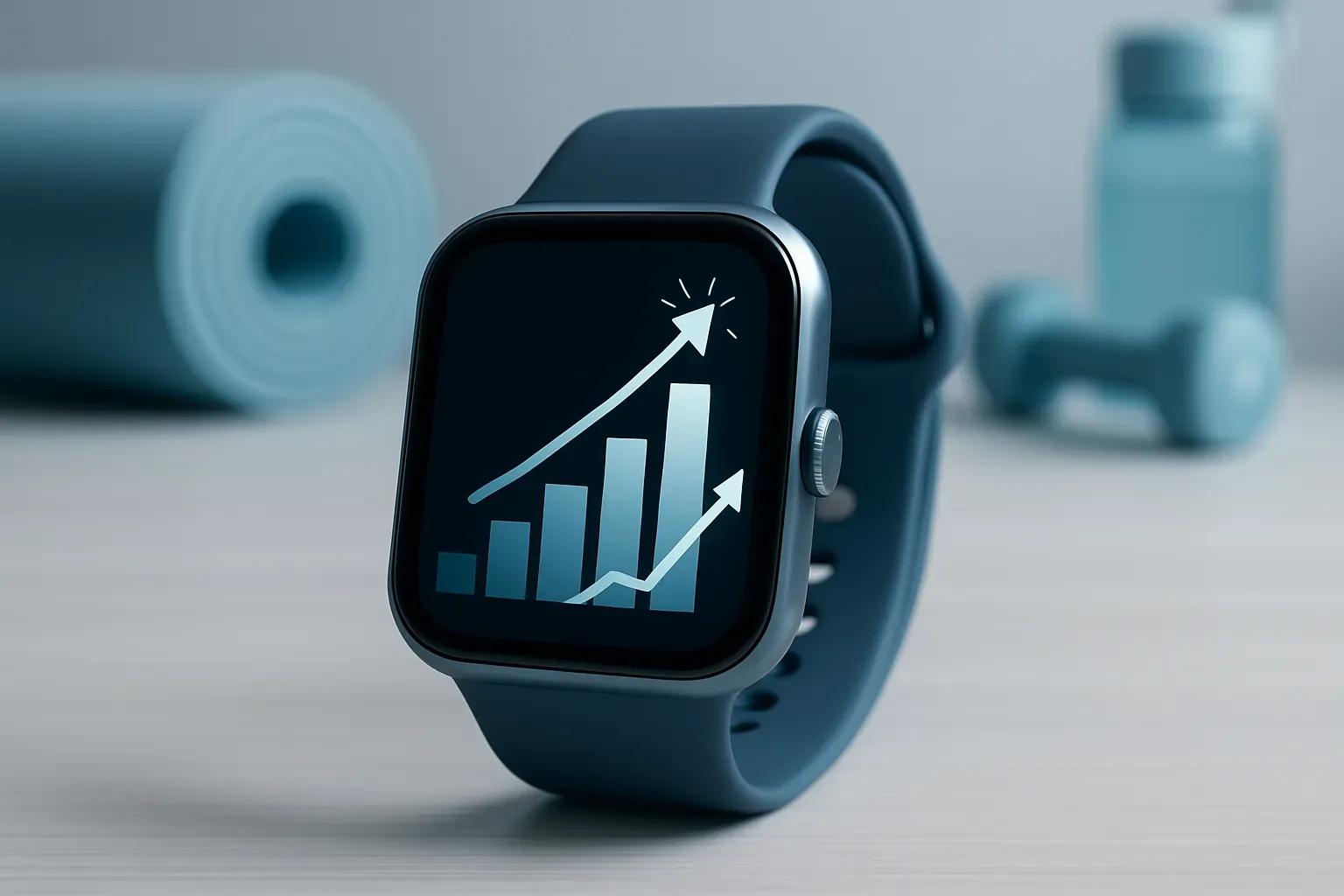
Then I started using the heart rate zone tracking feature on my smartwatch. Until then, I'd been running purely based on pace, but this feature made me realize I was spending too much time in high-intensity zones, even on recovery days. I wasn't allowing my body to properly adapt or build aerobic endurance.
Once I shifted to more structured zone-based training - keeping easy runs truly easy and saving the harder efforts for specific sessions - I noticed a gradual but clear improvement. Within a few weeks, I was recovering faster, running longer without fatigue, and finally shaving time off my pace.
What kept me going was seeing data-backed progress. It wasn't just about how I felt or guessing what might be working—the numbers showed it. It felt empowering to use tech not as a gimmick, but as a guide that helped me train smarter, not just harder.

Real-Time Cadence Feedback Breaks Plateau
Last year, I hit a wall in my running pace despite consistent training. Then I started using a fitness app's real-time cadence feedback feature. It wasn't just about tracking distance anymore—it told me to adjust my steps per minute to reduce impact and improve efficiency. That small tweak made a big difference. Within weeks, my pace improved by nearly 10%, and I felt less fatigued during runs. What kept me going was seeing concrete proof that a simple change in form could break the plateau. Instead of vague goals, I had immediate, actionable data pushing me forward. It shifted my mindset from frustration to curiosity, turning each run into a mini-experiment. That technology feature didn't just help me improve physically—it reignited my motivation by showing progress in real time.